

Speech Therapy For Kids: What Parents Should Know

Speech therapy can be a valuable resource to help children develop effective communication skills. Here’s what parents need to know about speech therapy for kids. Speech therapy is a specialized intervention that focuses on improving a child’s ability to communicate. It addresses various challenges, including articulation (pronouncing sounds correctly), language comprehension, fluency (such as stuttering), and social communication skills. Speech-language pathologists (SLPs), also known as speech therapists, work with children to develop these skills through tailored exercises, games, and strategies. When Should You Consider Speech Therapy? -Delayed speech milestones, such as not saying single words by 12-15 months or short sentences by age 3.-Difficulty understanding or following simple instructions.-Struggles with pronouncing certain sounds or words clearly.-Persistent stuttering or speech that seems disorganized.-Challenges in social communication, such as difficulty maintaining eye contact or engaging in conversations. How Does Speech Therapy Work?Speech therapy is personalized to each child’s needs. It may include: -Articulation Therapy focuses on teaching correct pronunciation of sounds.-Language Development enhance understanding of words, sentence structures, and grammar.-Social Communication which helps children interact effectively with peers and adults.-Fluency Techniques reduces stuttering through specific strategies. Speech therapy can make a significant difference in helping children overcome communication challenges and unlock their full potential. With the right guidance, children can develop the skills they need to express themselves confidently and effectively in every aspect of life.
Kids and Screens: Healthy Screen Habits for Kids

Screens are a part of modern childhood, From online learning to entertainment, children are exposed to screens more than ever. While technology offers incredible benefits, excessive screen time can lead to physical, mental, and emotional challenges for kids. but setting healthy boundaries ensures kids reap the benefits without the drawbacks. By fostering balance, encouraging offline activities, and maintaining open communication, parents can help their children develop a healthy relationship with technology. Healthy screen time involves following age-appropriate limits to ensure a balanced approach to digital exposure. For toddlers (0-2 years), screen time should be minimal or avoided, with a focus on sensory play to support early development. Preschoolers (2-5 years) can have up to one hour of high-quality, educational content daily, while school-age children (6-12 years) should limit recreational screen use to 1-2 hours per day. Red Flags of Excessive Screen Time includes, Frequent headaches or complaints of tired eyes, Mood swings or difficulty focusing, Decreased interest in non-digital activities etc Remember, it’s not about eliminating screens altogether but teaching kids to use them mindfully and responsibly.
Little Miracles: Expert Pediatric & Plastic Surgery for Healing and Growth at ONP Hospitals

As a pediatrician at ONP Hospitals, I’ve witnessed countless stories of resilience and recovery, but one case stands out—little Anaya’s story. Anaya, a spirited four-year-old, came to us after a severe finger injury that happened while she was playing in the backyard. Her tiny finger got caught in the door, causing a deep laceration and fracture. The panic in her parents’ eyes was evident as they rushed her to our emergency department. Our team of experts, including the plastic surgery department, quickly took charge. It was a delicate situation, requiring both medical precision and gentle reassurance. We knew that saving her finger’s functionality was crucial for her overall development and future activities. After an initial assessment, we decided that surgical intervention was necessary. Our skilled plastic surgeons meticulously repaired the laceration and stabilized the fracture. The procedure was successful, but the journey didn’t end there. Anaya’s recovery involved several follow-up visits, physical therapy, and a lot of tender loving care. During this period, we educated her parents on how to prevent such injuries in the future. Finger injuries are quite common among children due to their curious and active nature. We advised them to keep a close eye on Anaya’s playtime, especially around doors and heavy objects. Installing finger guards on doors and teaching her about the potential dangers also became part of their routine. Anaya’s resilience was remarkable. With each passing day, she regained more movement in her finger, and her bright smile returned. Today, she’s back to her playful self, with a scar that serves as a testament to her strength and our team’s dedication. At ONP Hospitals, we believe in a holistic approach to pediatric care. It’s not just about treating the injury but also about ensuring a safe and nurturing environment for every child. Anaya’s story is a reminder of the importance of vigilance and the power of specialized care in transforming lives.
Addressing Childhood Obesity: Preventative Measures and Healthy Lifestyle Choices

Healthy Sleep Habits for Children: Tips for Parents

[et_pb_section fb_built=”1″ admin_label=”section” _builder_version=”4.16″ global_colors_info=”{}”][et_pb_row admin_label=”row” _builder_version=”4.16″ background_size=”initial” background_position=”top_left” background_repeat=”repeat” global_colors_info=”{}”][et_pb_column type=”4_4″ _builder_version=”4.16″ custom_padding=”|||” global_colors_info=”{}” custom_padding__hover=”|||”][et_pb_text admin_label=”Text” _builder_version=”4.23.1″ background_size=”initial” background_position=”top_left” background_repeat=”repeat” hover_enabled=”0″ global_colors_info=”{}” sticky_enabled=”0″] Good sleep is essential for children’s health and development. Yet getting kids to sleep can sometimes feel like an uphill battle. Establishing healthy sleep habits early on sets foundation for a lifetime of good sleep. Here are some practical tips. They will help parents ensure their children get the restful sleep they need Set a Consistent Bedtime Routine Children thrive on routine. A consistent bedtime routine can signal to their bodies that it’s time to wind down and prepare for sleep. Start the routine about 30 minutes before bedtime. Include calming activities like: Reading book. Choose a favorite story or a new adventure each night. Taking a warm bath. This can help relax muscles and prepare the body for sleep. Brushing teeth. Important for both hygiene and routine building. Listening to calming music. Soft tunes create peaceful atmosphere. Create a Sleep-Friendly Environment The bedroom should be sanctuary for sleep. Here are some tips to create an ideal sleep environment. Remove distractions. Keep toys out of the bedroom. Keep electronics out of the bedroom. Eliminate other distractions. Limit noise. Use a white noise machine. Block out disruptive sounds if necessary. Comfortable bedding: Ensure the mattress is appropriate for your child’s age. Ensure the pillows and blankets are comfortable and suitable. Keep the room cool and dark. A cool room mimics nighttime. A dark room encourages sleep. Limit Screen Time Before Bed Screens emit blue light that can interfere with body’s natural sleep-wake cycle. Try to limit screen time at least an hour before bed. Instead of TV choose activities like reading. It’s a great way to wind down without the stimulation of screens. Puzzles can be fun and relaxing. Board games also offer screen-free time. Monitor Food and Drink What children eat and drink can significantly impact their sleep. Here are some tips: Avoid caffeine. Steer clear of caffeinated drinks and snacks. This is especially important in the afternoon and evening. Light snacks. A light snack before bed can be ok. Avoid heavy meals or sugary treats right before sleep. Encourage Physical Activity Regular physical activity during the day helps children fall asleep faster and enjoy deeper sleep. Encourage your child to play outside. Participate in sports. Engage in active play. Just make sure to avoid vigorous activity close to bedtime as it can be too stimulating. Be Mindful of Naps Naps are essential for younger children but they need to be appropriately timed. Long naps can interfere with nighttime sleep. Late-afternoon naps also interfere with nighttime sleep. As children grow older they may need fewer naps. Some children need no naps at all. Pay attention to your child’s sleep patterns. Adjust nap times as necessary. Address Nighttime Fears Children often have fears that can disrupt their sleep. Be understanding. Be comforting. Here’s how: Night lights: A soft night light can help alleviate fear of the dark. Comfort objects: favorite stuffed animal or blanket can provide a sense of security. Talk it out. Discuss their fears during the day. Offer reassurance. Be Patient and Consistent Establishing healthy sleep habits takes time and consistency. Be patient. Stick to the routines and rules you set. Remember occasional setbacks are normal. The key is to maintain consistent approach. Over time, your child will develop better sleep habits. Conclusion Good sleep is crucial for a child’s growth development and overall well-being. Establishing consistent bedtime routine can aid in this goal. Limiting screen time is also essential Creating a sleep-friendly environment, monitoring diet and encouraging physical activity further contribute to healthy sleep habits. Managing naps addressing nighttime fears and being patient are also pivotal. Parents can help children develop healthy sleep habits that will benefit them for lifetime. [/et_pb_text][/et_pb_column][/et_pb_row][/et_pb_section]
The Role of Diet and Nutrition in Managing Encopresis in Children: Insights from Dr. Amita Phadnis

[et_pb_section fb_built=”1″ admin_label=”section” _builder_version=”4.16″ global_colors_info=”{}”][et_pb_row admin_label=”row” _builder_version=”4.16″ background_size=”initial” background_position=”top_left” background_repeat=”repeat” global_colors_info=”{}”][et_pb_column type=”4_4″ _builder_version=”4.16″ custom_padding=”|||” global_colors_info=”{}” custom_padding__hover=”|||”][et_pb_text admin_label=”Text” _builder_version=”4.23.1″ background_size=”initial” background_position=”top_left” background_repeat=”repeat” hover_enabled=”0″ global_colors_info=”{}” sticky_enabled=”0″]Encopresis, a condition characterized by involuntary soiling in children, can be distressing for both the child and their family. First and foremost, complete treatment of constipation is a must, with medication, stool softeners, etc. After that, maintenance is with appropriate nutrition. Diet and nutrition play a crucial role in managing and alleviating the symptoms of encopresis. Ensuring a balanced diet rich in fiber and fluids can promote regular bowel movements and reduce the likelihood of constipation recurrence. Dr. Amita Phadnis, a renowned pediatrician, provides expert insights into the dietary strategies that can support children with encopresis. Her guidance emphasizes the importance of consistency and patience in dietary adjustments to achieve long-term relief and improve the quality of life for affected children and their families. Understanding Encopresis Encopresis, when kids accidentally poop in their clothes, often happens because of constipation. This is when hard poop gets stuck in their belly. Eating the right foods can help prevent constipation and keep things moving regularly. Key Dietary Recommendations High-Fiber Foods: A diet rich in fiber is fundamental for managing and preventing constipation. Fiber adds bulk to stool and facilitates its passage through the digestive tract. Dr. Phadnis recommends incorporating the following high-fiber foods into child’s diet. Whole grains. Brown rice. Whole-wheat bread. Oatmeal Fruits (apples, pears, berries, prunes) Vegetables (broccoli, carrots, peas) Legumes (beans, lentils, chickpeas) Regular Meal Times Establishing a regular meal times can promote healthy digestive routine. Dr. Phadnis suggests serving meals at consistent times. Each day. This can encourage regular bowel movements. Adequate Hydration Staying well-hydrated is crucial for maintaining soft stool consistency. Dr. Phadnis advises ensuring children drink plenty of water. This should be done throughout day Water helps soften stool. That makes it easier to pass Encouraging Probiotics Probiotics found in yogurt and other fermented foods support gut health. Dr. Phadnis highlights benefits. Including probiotic-rich foods in diet helps maintain healthy balance of gut bacteria. Limiting Processed Foods Processed foods high in sugar and fat can contribute to constipation. Dr. Phadnis recommends minimizing intake of processed snacks. Limit fast food Sugary beverages should also be limited. Practical Tips for Parents Creative Meal Planning Make healthy eating enjoyable by involving children in meal planning. Preparation. Dr. Phadnis advises. Use colorful fruits. And vegetables. Make meals visually appealing and fun. Monitoring Progress Keep a food diary. Track the child’s dietary intake. Also track bowel movements. This can help identify patterns. Make necessary adjustments. Dr. Phadnis emphasizes the importance of monitoring progress. Consult healthcare provider if needed. Gradual Changes Introduce dietary changes gradually to allow the child’s digestive system to adjust. Dr. Phadnis suggests starting with small additions of high-fiber foods. Gradually increase the quantity. Educate yourself about healthy dietary practices. This education can involve researching reputable sources and consulting with experts. Implementing these practices can significantly improve long-term health. Observation and vigilance are also crucial. Monitor any reactions. Ensure the child is comfortable with new foods. Such vigilance is essential for maintaining balanced diet. Most of the time parents are role models for children. Demonstrating good eating habits encourages children to follow. Positive reinforcement can also significantly impact a child’s food choices. Ensure overall health benefits are achieved. Conclusion Diet and nutrition are vital components in managing encopresis in children. By incorporating high-fiber foods and ensuring adequate hydration parents can help their children achieve better digestive health. Regular meal times are also essential. Dr. Amita Phadnis’s expert insights underscore significance of a balanced diet. It plays a key role in both preventing and managing encopresis. Her insights offer hope. Practical solutions for families emerge. Through thoughtful dietary management. Children can overcome challenges of encopresis. They can lead healthier more comfortable lives. [/et_pb_text][/et_pb_column][/et_pb_row][/et_pb_section]
Understanding Recurrent Cough and Cold in Children: Causes, Prevention, and Treatment with Insights from Dr. Amita Phadnis

[et_pb_section fb_built=”1″ admin_label=”section” _builder_version=”4.16″ global_colors_info=”{}”][et_pb_row admin_label=”row” _builder_version=”4.16″ background_size=”initial” background_position=”top_left” background_repeat=”repeat” global_colors_info=”{}”][et_pb_column type=”4_4″ _builder_version=”4.16″ custom_padding=”|||” global_colors_info=”{}” custom_padding__hover=”|||”][et_pb_text admin_label=”Text” _builder_version=”4.23.1″ background_size=”initial” background_position=”top_left” background_repeat=”repeat” hover_enabled=”0″ global_colors_info=”{}” sticky_enabled=”0″]Recurrent respiratory illnesses in children are a major source of concern. Lost sleep for parents is also a significant issue. To better understand these persistent problems we turn to Dr. Amita Phadnis. She is renowned pediatrician. Dr. Phadnis offers expertise on the causes. She provides insights. These insights focus on prevention. Treatment of recurrent cough and cold in children. Causes of Recurrent Cough and Cold: Weak Immune System A weakened immune system often stems from poor nutrition or underlying health conditions. This can make children more vulnerable. They are prone to infections. Ensuring a balanced diet rich in vitamins. Minerals is crucial. Allergies and Asthma Allergic reactions to dust pollen, or pet dander can cause recurrent respiratory symptoms. Asthma is chronic condition. It frequently presents with a persistent cough and wheezing. Also this exacerbates the problem. Common Viral Infections Children are highly susceptible to viral infections. Examples include Rhinovirus and Respiratory Syncytial Virus (RSV). These viruses are leading causes of cough and colds. Exposure in schools is frequent. Daycares also see high incidence rates. This increases likelihood of repeated infections. Underlying Health Conditions: Chronic conditions such as sinusitis or enlarged adenoids can contribute to frequent cough. Cold episodes exacerbate the issues. Dr. Phadnis recommends regular check-ups. This helps diagnose and manage these conditions effectively. Environmental Factors: Exposure to secondhand smoke air pollution and drastic weather changes can trigger recurrent respiratory issues in children. Dr Phadnis emphasizes the importance. Maintaining a clean and smoke-free environment is crucial. Symptoms and Diagnosis Common Symptoms: Recurrent cough. Runny nose. Nasal congestion sore throat. Fever. These are typical symptoms. Parents should monitor the duration. They should also observe the frequency. Parents should be attentive. Constant vigilance is necessary. When to See a Doctor: If symptoms persist for more than ten days or if child experiences difficulty breathing high fever, or wheezing. Medical attention is necessary. Dr. Phadnis advises prompt consultation. This helps prevent complications. Diagnostic Tests: A thorough medical history and physical examination are essential. In some cases chest X-rays are required. Allergy tests may also be necessary. Blood tests can be required too. These tests help identify underlying issues. Good Hygiene Practices: Teaching children proper handwashing techniques. Encourage the use of tissues. Use elbows when coughing or sneezing. This can reduce the spread of infections. Vaccinations: Staying up-to-date with vaccinations including annual flu shot, is vital. Vaccines help build immunity. They protect against common pathogens. Nutritional Support: A diet rich in fruits vegetables and whole grains strengthens the immune system. Dr. Phadnis highlights the role of vitamins C and D. These vitamins, along with zinc are essential in boosting immunity. Environmental Controls: Using air purifiers reducing exposure to allergens and maintaining a clean home environment can help prevent respiratory issues. Avoiding known irritants. Smoke and strong chemicals is also beneficial Home Remedies and Management Hydration and Rest Encouraging adequate fluid intake is crucial. Ensuring a child gets plenty of rest is key. It is essential to recovery. Warm fluids can soothe the throat. They also help alleviate congestion. Steam Inhalation: Inhaling steam from a bowl of hot water can help open up nasal passages. This can ease breathing. This is simple home remedy. It can provide quick relief. It also eases congestion. Humidifiers: Using humidifier in a child’s room adds moisture to the air. This helps to relieve nasal congestion. It also aids in coughing Over-the-Counter Medications: Age-appropriate medications such as saline nasal drops and fever reducers can provide symptom relief. Dr. Phadnis advises you should consult a pediatrician. Consult before administering any medication. Natural Remedies: Honey for children over one-year-old can be effective in soothing cough. Saline nasal drops can help clear nasal passages. This makes breathing easier. Medical Treatments and Interventions Antibiotics: Antibiotics are only necessary for bacterial infections. Overuse can lead to antibiotic resistance. Dr. Phadnis stresses the importance. Following medical advice is essential. Completing prescribed treatments is crucial Treating Underlying Conditions: Managing allergies with antihistamines or asthma with inhalers can significantly reduce the frequency of cough. Episodes of colds decrease. Regular follow-ups with healthcare provider are essential. Chronic conditions need continuous monitoring Long-term Health Implications Potential Impact Frequent respiratory infections can impact a child’s growth development. They affect overall well-being. It is essential to monitor. Managing these recurrent issues is paramount. Managing Chronic Conditions: Long-term management strategies include medication lifestyle changes and regular medical consultations. These are necessary for children with chronic conditions. Dr. Phadnis underscores the importance of a proactive approach. Proactive approaches to health. They can significantly improve outcomes. Parental Support and Resources Support Groups: Joining support groups and online communities can provide valuable information. There can be emotional support. Sharing experiences with other parents can be reassuring. Consulting Specialists: Seeking advice from pediatricians allergists or nutritionists can provide comprehensive care. Dr. Phadnis encourages parents to seek professional guidance. Whenever in doubt. Educational Resources: Reliable sources like books and websites doctors equip parents. They enable them. They help make informed decisions. This ensures about child’s health. Conclusion Understanding the causes prevention and treatment of recurrent cough and cold in children is essential for maintaining their health and well-being. By following preventive measures, parents can help their children overcome these common issues. Utilizing effective home remedies is also beneficial. Seeking timely medical intervention is crucial. Dr. Amita Phadnis’s insights highlight the importance of a balanced approach to care. Emphasizing both preventive strategies. Proactive treatment ensures children lead healthy active lives.[/et_pb_text][/et_pb_column][/et_pb_row][/et_pb_section]
Dr. Amita Phadnis: Constipation in children
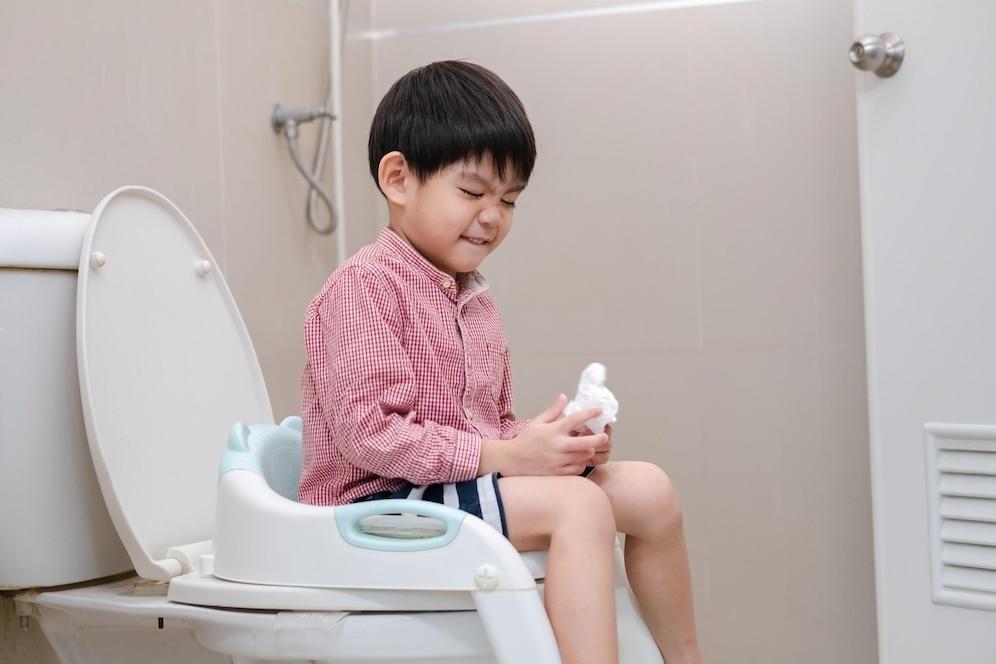
[et_pb_section fb_built=”1″ admin_label=”section” _builder_version=”4.16″ global_colors_info=”{}”][et_pb_row admin_label=”row” _builder_version=”4.16″ background_size=”initial” background_position=”top_left” background_repeat=”repeat” global_colors_info=”{}”][et_pb_column type=”4_4″ _builder_version=”4.16″ custom_padding=”|||” global_colors_info=”{}” custom_padding__hover=”|||”][et_pb_text admin_label=”Text” _builder_version=”4.23.1″ background_size=”initial” background_position=”top_left” background_repeat=”repeat” hover_enabled=”0″ global_colors_info=”{}” sticky_enabled=”0″]Constipation is a common issue among children that can cause significant discomfort and distress. As a parent, it’s natural to want to alleviate your child’s discomfort with safe and effective remedies. Fortunately, many home remedies can help manage and prevent constipation in children. This blog will explore these remedies and provide practical tips to help your child maintain regular bowel movements. Understanding Constipation in Children Before diving into remedies, it’s important to understand what constipation is and its common causes in children. Constipation typically involves infrequent bowel movements, hard or dry stools, and difficulty or pain when passing stools. Causes can include: Diet: Low fiber intake and insufficient fluid consumption are major contributors. Physical Activity: Lack of exercise can slow down the digestive system. Routine Changes: Changes in daily routine, such as starting school, can affect bowel habits. Holding Stool: Some children might avoid going to the toilet due to fear or discomfort, leading to constipation. Preventing Constipation Here are some tips which help alleviate constipation in children: 1. Increase Fiber Intake Fiber helps add bulk to stools and promotes regular bowel movements. Incorporate high-fiber foods into your child’s diet, such as: Fruits: Apples, pears, prunes, and berries. Vegetables: Carrots, peas, broccoli, and spinach. Whole Grains: Whole wheat bread, oatmeal, and brown rice. Legumes: Beans, lentils, and chickpeas. 2. Encourage Hydration Adequate fluid intake is essential for preventing constipation. Water is the best choice, but other fluids like milk and natural fruit juices can also be beneficial. Prune juice, in particular, is known for its natural laxative effect. 3. Promote Regular Physical Activity Exercise helps stimulate digestion. Encourage your child to engage in regular physical activities such as: Playing outside Riding a bike Swimming Family walks 4. Establish a Routine Having a regular toileting schedule can help. Encourage your child to sit on the toilet for a few minutes after meals, which is when the body is most likely to have a bowel movement. 5. Use a Footstool Sometimes, positioning can make a significant difference. Using a small footstool to elevate your child’s feet while they sit on the toilet can help align the rectum better, making it easier to pass stools. 6. Massage A gentle abdominal massage can stimulate bowel movements. Use gentle, clockwise strokes on your child’s tummy to help relieve constipation. 7. Monitor Dairy Intake For some children, excessive dairy consumption can contribute to constipation. Try reducing the amount of cheese, milk, and other dairy products to see if it helps. When to Seek Medical Help While home remedies can be very effective, there are times when you should seek medical advice. Contact your healthcare provider if your child: Has constipation for more than two weeks. Experiences severe abdominal pain. Has blood in their stools. Experiences weight loss without explanation. Shows signs of fear or avoidance of using the toilet. Conclusion Constipation in children can be distressing, but with the right suggestions and preventive measures, you can help your child achieve regular and comfortable bowel movements. By ensuring a balanced diet, promoting hydration and physical activity, and establishing good bathroom habits, you can alleviate constipation and support your child’s overall digestive health. Always remember to consult with a healthcare professional if you have any concerns or if the condition persists.[/et_pb_text][/et_pb_column][/et_pb_row][/et_pb_section]
The Role of the Immune System in Recurrent Cough and Cold: Insights from Dr. Amita Phadnis

[et_pb_section fb_built=”1″ admin_label=”section” _builder_version=”4.16″ global_colors_info=”{}”][et_pb_row admin_label=”row” _builder_version=”4.16″ background_size=”initial” background_position=”top_left” background_repeat=”repeat” global_colors_info=”{}”][et_pb_column type=”4_4″ _builder_version=”4.16″ custom_padding=”|||” global_colors_info=”{}” custom_padding__hover=”|||”][et_pb_text admin_label=”Text” _builder_version=”4.23.1″ background_size=”initial” background_position=”top_left” background_repeat=”repeat” hover_enabled=”0″ global_colors_info=”{}” sticky_enabled=”0″]We’ve all been there—suddenly, you feel that familiar tickle in your throat, a slight shiver, or a sniffle. Before you know it, you’re in the throes of yet another cold. While occasional colds are a part of life, some people seem to catch every bug that comes their way. What’s going on with the immune system that makes some of us more susceptible to recurrent coughs and colds? Let’s delve into the fascinating world of our body’s defense mechanisms to uncover the answer. Understanding the Immune System: Our Body’s Defense Mechanism The immune system is an intricate network of cells, tissues, and organs that work in harmony to defend the body against harmful invaders like viruses, bacteria, and other pathogens. It can be divided into two main parts: the innate immune system and the adaptive immune system. Innate Immune System: This is the first line of defense. It’s like a rapid-response team that acts quickly to protect the body from infection. It includes physical barriers (like the skin and mucous membranes), as well as cells that attack invaders immediately. Adaptive Immune System: This is a more specialized and slower response. It involves lymphocytes (B cells and T cells) that recognize specific pathogens and remember them, which helps the body respond more efficiently if it encounters the same pathogen again in the future. Why Do We Catch Colds? Colds are mainly triggered by viruses, with rhinoviruses being the most frequent offenders. When a cold virus enters your body, it typically lands on the mucous membranes of your nose or throat. The immune system detects these invaders and launches an attack. Here’s where things get interesting: the symptoms of a cold (sneezing, sore throat, coughing, congestion) are not directly caused by the virus itself but by the immune system’s response to the infection. The inflammation and increased mucus production are efforts by the body to flush out and neutralize the virus. The Role of Immunity in Recurrent Colds Several factors can affect how often you catch a cold and how severe it becomes: Immune System Strength: A robust immune system is generally more effective at fending off infections. Factors like poor nutrition, lack of sleep, stress, and chronic illnesses can weaken the immune system, making you more prone to frequent colds. Exposure to Pathogens: People who are frequently in crowded places, such as schools, public transport, or offices, are more likely to be exposed to cold viruses. Immune System Memory: After fighting off a specific virus, the adaptive immune system remembers it, providing future protection. However, with over 200 different viruses capable of causing the common cold, it’s unlikely your immune system will recognize and respond to every one. Genetic Factors: Some people may have genetic variations that make their immune systems more or less effective at fighting off certain viruses. Strengthening Your Immune System While you can’t avoid every cold, there are steps you can take to bolster your immune system and reduce the frequency and severity of infections: Healthy Diet: Eating a balanced diet rich in fruits, vegetables, lean proteins, and whole grains provides the nutrients your immune system needs to function optimally. Regular Exercise: Moderate exercise can boost the immune system by promoting good circulation, which allows immune cells to move through the body more effectively. Adequate Sleep: Quality sleep is crucial for maintaining a healthy immune system. Strive to get between 7 and 9 hours of sleep each night. Stress Management: Chronic stress can suppress the immune system. Practices such as meditation, yoga, and deep-breathing exercises can effectively help in managing stress levels. Good Hygiene Practices: Regular handwashing, avoiding close contact with sick individuals, and not touching your face can reduce your risk of infection. Conclusion Recurrent coughs and colds are a common nuisance, but understanding the role of the immune system can help us appreciate the complexity of our body’s defense mechanisms. By taking proactive steps to support our immune system, we can reduce our vulnerability to these pesky infections. Remember, a strong immune system is your best ally in the fight against colds—so take care of it, and it will take care of you. [/et_pb_text][/et_pb_column][/et_pb_row][/et_pb_section]
Transformative Care: Navigating the State-of-the-Art NICU Facility at ONP Hospital