

India’s Growing Obesity Crisis: 1 in 5 Households Affected

A recent ICMR study has shed light on a growing public health concern in India—20% of Indian households now have all adult members classified as overweight, while 10% have all adults considered obese. This trend is most prevalent in urban regions and southern states like Tamil Nadu, Kerala, and Puducherry, where lifestyle changes and dietary habits are rapidly evolving. Obesity is commonly assessed through Body Mass Index (BMI). An adult is considered overweight if their BMI lies between 25 and 29.9, and obese if it exceeds 30. The issue is no longer individual but household-wide. In states like Manipur, Kerala, and Sikkim, over 30% of families fall into this category. The study reveals a direct correlation between affluence and obesity. Alarmingly, 17.3% of wealthy households had all adults overweight, while Scheduled Tribes showed the lowest clustering at just 4.2%. This emphasizes how urbanization, sedentary jobs, and processed diets are influencing family-wide health. The data points to an urgent need for community-level awareness, preventive strategies, and lifestyle interventions. This trend is particularly concerning given the known link between obesity and 13 different cancers, along with lifestyle disorders such as diabetes, hypertension, and heart disease. Experts stress the importance of early detection and family-based health counseling. As India faces this mounting health challenge, it’s time for individuals and families to embrace active living, balanced nutrition, and routine health checkups. Promoting awareness and healthy habits at the household level is the first step in reversing this growing epidemic.
COVID-19: A Recurring Threat – How to Protect Your Kids

It has been more than five years since humanity first came face toface with COVID-19 a global health pandemic that transformed how we live, work, and look after our health. Though the worst waves are behind us, COVID-19 did not vanish. It keeps changing, and periodic outbreaks still remind us that a constant watch is required. At ONP Hospital we keep on offering evidence based care, educating patients, and keeping the community informed and safe. The Current Status of COVID-19 (2025)New Variants:COVID-19 keeps evolving. Newer variants (such as Omicron sublineages) have a tendency to cause less severe disease, but they are more contagious., Hybrid Immunity: Everyone is now to some extent immunized by vaccines, previous infections, or both. This has greatly minimized hospitalizations and fatalities. COVID is endemic today, similar to the flu, with seasonal cycles and minor flare ups. Vaccination: Still Essential Even today, in 2025, COVID-19 vaccination continues to be important, particularly for:Older adults (age > 60), Individuals with diabetes, heart disease or lung disease – Immunocompromised patient, Healthcare workers Booster doses (updated yearly, like flu shots) are recommended for high-risk groups. Consult your doctor to know if you’re due for a booster. Symptoms to Watch When to Test You may want to get a COVID test if:You’re experiencing flu-like symptoms Long COVID: A New Frontier Prevention: Old Habits Still Matter COVID-19 retaught us the importance of simple hygiene:Frequently wash hands , Use a mask in congested or enclosed spacesDon’t touch your face unnecessarily, Keep spaces inside well-ventilatedPractice distance when illThese easy habits not only avoid COVID-19 but also help decrease flu, colds, and other infections. Last WordsCOVID-19 taught us to be resilient, compassionate, and health preparedness professionals. The virus may remain with us, but panic is not needed—preparedness is.Stay in the know. Stay guarded. Stay fit.
Superfoods for Super Kids: Building a Nutritious Plate

Nutrition is a major factor in raising children who are healthy and active. In addition to providing energy for developing bodies, a diet rich in vital nutrients also promotes emotional stability, robust immunity, and cognitive growth. Superfoods are nutrient-dense powerhouses that provide a significant impact with each bite, which is where they come in. What Are Superfoods?Natural foods high in vitamins, minerals, antioxidants, and other essential nutrients are known as superfoods. These foods are ideal for kids with active, inquisitive minds because they can strengthen bones, improve focus, and increase energy levels. The Best Superfoods for Children: Berries: Vitamin C and antioxidants abound in blueberries, strawberries, and raspberries. They are excellent for immunity and brain health. Leafy Greens: Iron, calcium, and fiber—all necessary for growth and digestion—are found in spinach, kale, and other greens. Eggs: Rich in choline and protein, eggs promote long-term energy and brain development. Yogurt: Rich in probiotics and calcium, yogurt promotes healthy digestion and bone growth. Makhana, also known as fox nuts is a powerhouse superfood packed with protein, fiber, and antioxidants, perfect for guilt-free snacking and boosting overall wellness. Nuts and Seeds: Sunflower seeds, chia seeds, and almonds provide protein and heart- and brain-healthy fats. Sweet potatoes are a kid-friendly, vitamin-rich substitute for regular fries because they are high in beta-carotene and fiber. Putting Together a Healthful PlateCombine various food groups to create a vibrant plate. Try to include whole grains, fruits, vegetables, healthy fats, and a source of protein. Allow your children to participate by letting them choose fruits, mix the yogurt, or add seeds to their cereal. This promotes healthy eating habits in addition to making meals more enjoyable. Feed your little superheroes with the power of superfoods and watch them flourish.
Childhood Immunization: Importance, Myths & Facts

Childhood immunization is one of the most effective ways to protect children from life-threatening diseases. Vaccines help strengthen a child’s immune system, preventing illnesses such as measles, polio, diphtheria, and whooping cough. Despite their proven benefits, misconceptions about vaccines still cause hesitation among parents. Understanding the importance of immunization and debunking common myths is crucial for ensuring a healthier future for children. Importance of Childhood Immunization Vaccines protect not just individual children but also communities by reducing the spread of infectious diseases. Immunization has successfully eradicated diseases like smallpox and significantly reduced cases of polio worldwide. By ensuring children receive vaccines on time, parents contribute to herd immunity, which protects those who cannot be vaccinated due to medical conditions. Vaccines also reduce healthcare costs by preventing hospitalizations and long-term complications from preventable diseases. Common Myths and Facts 🔹 Myth: Natural immunity is better than vaccines.✅ Fact: While natural immunity occurs after recovering from an illness, the risks of severe complications are much higher. Vaccines provide immunity safely without exposing children to life-threatening diseases. 🔹 Myth: Too many vaccines can weaken a child’s immune system.✅ Fact: A child’s immune system can handle multiple vaccines at once. The recommended schedule is designed to protect them at the most vulnerable ages. 🔹 Myth: Vaccines cause autism.✅ Fact: Extensive research has shown no link between vaccines and autism. This myth originated from a now-debunked study and continues to cause unnecessary fear. Childhood immunization is a safe and essential step in protecting children from deadly diseases. Understanding the facts and trusting scientific evidence ensures that every child receives the best possible start in life. Parents should consult healthcare professionals and follow the recommended vaccine schedule to safeguard their child’s health.
Best Sleep Practices for Babies & Young Children

Babies and young children need sleep for healthy growth and development, and parents can make bedtime more peaceful by establishing good sleep habits early on. Here are some best practices for ensuring your child gets the sleep they need: Babies’ and young children’s general health and development are greatly impacted by getting enough good sleep. Important growth hormones that promote brain and physical development are released while you sleep. Children who get enough sleep are generally happier and less irritable, which improves their behavior and mood. Sleep also helps with cognitive processes like learning, memory consolidation, and problem-solving, which makes it easier for kids to understand new ideas. Another important advantage of getting enough sleep is that it strengthens the immune system, which aids the body in fending off infections and illnesses. Additionally, getting enough sleep helps kids focus and pay attention, which keeps them involved in everyday tasks. Making good sleep a priority for young children guarantees their best possible growth, emotional stability, and cognitive development. By following these sleep practices, parents can foster healthy sleeping habits that benefit their child’s growth, mood, and overall development.
Keeping Kids Safe from Heatwaves and Sunburns
It is now more crucial than ever to protect kids from the risks of heatwaves and sunburns as temperatures continue to rise in many parts of the world. Young children’s delicate skin and developing bodies make them particularly susceptible to heat-related illnesses and sun damage. Here are some tips for keeping your children comfortable, cool, and safe during the year’s hottest months. 1. Identify Heat Illness SymptomsBoth heatstroke and heat exhaustion can be dangerous. Keep an eye out for indicators such as: *Sweating excessively*Weariness or lightheadedness*Fast heartbeat*Nausea or headache 2.Drink plenty of waterDehydration is more common in children, particularly when they are playing outside in the sun. Even if your child doesn’t feel thirsty, make sure they drink a lot of water throughout the day. Encourage frequent sips and bring water bottles on excursions. Tips:*Slices of fruit can be added to water to enhance its flavor.*Serve snacks high in water, such as oranges, cucumbers, and watermelon.*Keep ORS ( oral rehydration solutions) handy to serve after strenuous activity and sweating.*Coconut water is replete with electrolytes and must be encouraged 3. Wear Smart ClothesYour children should wear light-colored, loose-fitting, and breathable clothes. Cotton and other natural textiles are great for keeping the body cool. When going outside, remember to pack UV-blocking sunglasses and a wide-brimmed hat. 4. Time Spent Engaging in Outdoor Activities SensiblyThe hours of 10 AM to 4 PM are when the sun’s rays are at their strongest. When the weather is cooler, try to schedule outdoor activities for early in the morning or late at night. 5. Use Sunscreen FrequentlyEven on overcast days, sunscreen is essential. Apply a thick layer of broad-spectrum sunscreen 15 to 30 minutes before heading outside, making sure it has at least SPF 30. After swimming or perspiring, or every two hours, reapply. Note: Avoid exposing infants younger than six months to direct sunlight, and consult your pediatrician before using sunscreen. 6. Children Should Never Be Left in Parked CarsWithin minutes, the interior of a parked car can get dangerously hot, even with the windows cracked. Never, even for a brief period of time, leave a child alone in a car. 7. Maintain Cool SkinWet washcloths, misting sprays, or cool baths can all help reduce your child’s body temperature. Promote indoor activities in areas with air conditioning, or use fans to increase ventilation. Final Thoughts Summer is a time for adventure and fun, but safety should always come first. With a few simple precautions, you can ensure your children enjoy the sunshine without the risks. Stay vigilant, stay cool, and make the most of your sunny days—safely!
Managing Seasonal Allergies in Kids
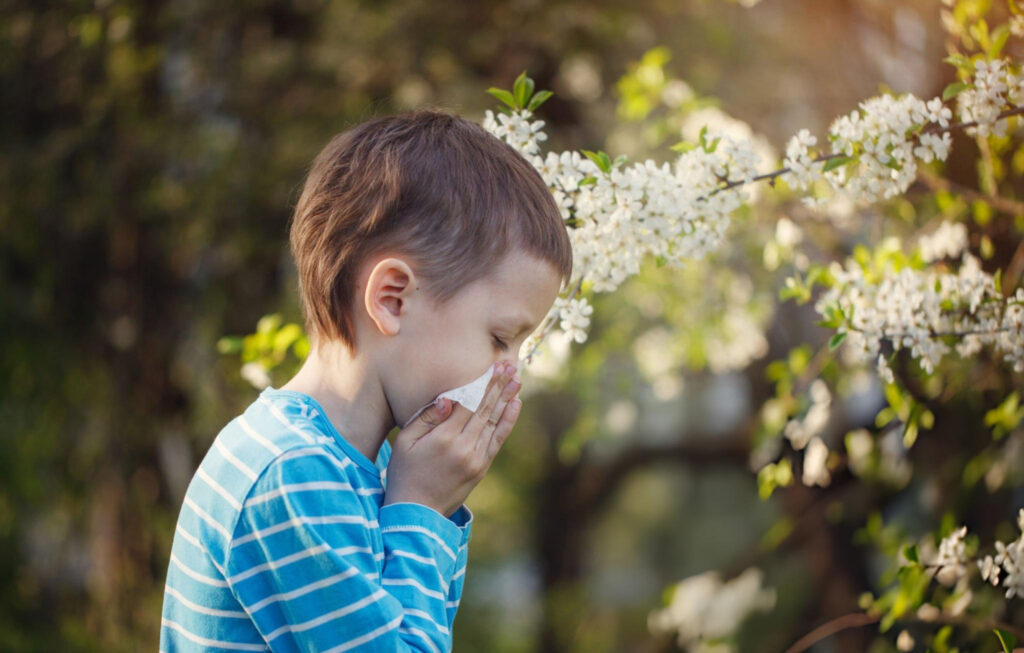
Seasonal allergies, also known as hay fever or allergic rhinitis, can cause children to sneeze, have runny noses, itchy eyes, and experience congestion. Pollen, mold, and other airborne allergens cause these allergies, which are most common in the spring and fall. While seasonal allergies cannot always be avoided, there are ways to reduce their impact on your child’s health and daily activities. Recognizing Allergy Symptoms Frequent sneezing and nasal congestion are among the most common symptoms, often accompanied by a runny nose with clear mucus. Many children also experience itchy, watery eyes, which can cause discomfort and make them rub their eyes frequently. seasonal allergies can worsen symptoms, leading to increased wheezing or breathing difficulties. Effective Ways to Manage Allergies -Limit outdoor exposure. Check pollen counts before going outside, and avoid outdoor activities during peak pollen periods (morning and early evening).-Keep windows closed – To keep allergens out, use air conditioning at home and in your car.-Change Clothes and Shower After Outdoor Play: This helps to remove pollen from your child’s skin and hair.-Use an Air Purifier: HEPA filters can help reduce indoor allergens.-Nasal Rinse and Hydration – Saline sprays or rinses can help remove allergens from the nasal passages. When to See a Doctor? Consult a pediatrician if your child’s allergies are interfering with their sleep, school, or daily activities. They may suggest antihistamines, nasal sprays, or allergy testing to improve management. With the proper precautions, seasonal allergies can be effectively managed, allowing your child to enjoy the changing seasons without difficulty.
Dairy-Free & Gluten-Free Diets for Kids: What Parents Should Know

In recent years, dairy-free and gluten-free diets have grown in popularity, particularly among children who have allergies, intolerances, or specific health conditions such as lactose intolerance or celiac disease. As a parent, you must understand these diets and ensure that your child receives balanced nutrition. Why Should I Choose Dairy-Free or Gluten-Free? Dairy-Free: Some children are lactose intolerant or allergic to cow’s milk protein, leading to digestive discomfort, skin issues, or respiratory problems. Gluten-Free: Children with celiac disease or gluten sensitivity suffer digestive distress, nutrient deficiencies, and inflammation when they consume gluten (found in wheat, barley, and rye). Nutritional ConsiderationsTo avoid nutritional deficiencies, removing dairy and gluten from a child’s diet must be carefully planned. Key nutrients to focus on are:✅ Plant-based milk (almond, soy, oat), leafy greens, and nuts contain fortified calcium and vitamin D.✅ Protein: Lean meats, beans, lentils, quinoa, and eggs are great options.✅ Fiber and iron: Whole grains such as quinoa, brown rice, and gluten-free oats promote balanced nutrition. Healthy alternativesReplace cow milk with almond, soy, or coconut milk.Choose gluten-free grains such as rice, millet, and buckwheat.Select naturally gluten-free snacks such as fruits, nuts, and homemade smoothies. When properly balanced, a dairy-free or gluten-free diet can be beneficial to children. Before making dietary changes, always consult with a pediatrician or nutritionist to ensure your child is getting all of the nutrients he or she needs for optimal growth.
Baby-Led Weaning vs. Traditional Weaning: Which is Better?

Introducing solid foods to your baby is an exciting milestone, but determining the best weaning method can be difficult. Two popular methods are Baby-Led Weaning (BLW) and Traditional Weaning. Each has its advantages, but which one is superior? Let’s try both. What is baby-led weaning?Baby-Led Weaning allows babies to feed themselves from the start. Instead of spoon-fed purees, parents serve soft, whole foods such as cooked vegetables, fruits, and meat strips. This method promotes independence, fine motor skills, and self-regulation in eating. BLW also teaches babies to chew and explore different textures from an early age. However, it may cause more mess and raise concerns about choking, though research indicates that it is safe with proper precautions. What is traditional weaning?Traditional weaning begins with spoon-feeding purees and progresses to thicker textures and finger foods. This method ensures that babies receive adequate nutrition while transitioning to solids at their own pace. Picky eaters benefit from parents’ greater control over their food intake. However, some argue that spoon-feeding slows the development of self-feeding abilities. Pediatrician’s PerspectiveBoth methods can be effective, and there is no ‘best’ approach. BLW promotes healthy eating habits and motor skills, whereas Traditional Weaning ensures adequate nutrition intake. I prefer Traditional Weaning because it allows parents to ensure their baby receives the proper nutrients in the appropriate amounts. Many babies with BLW struggle to eat enough, which can result in iron and calorie deficiencies. Traditional weaning ensures a smooth transition to solids and reduces the risk of choking. Parents can continue to introduce finger foods as the baby’s chewing and coordination skills improve.
Understanding ADHD in Children: Symptoms and Treatment
Attention Deficit/Hyperactivity Disorder (ADHD) is a neurodevelopmental disorder that affects millions of children worldwide. Recognizing the symptoms early on and seeking appropriate treatment can significantly improve a child’s quality of life and school performance. Common Symptoms:ADHD typically manifests in three main categories: Inattention: Children may struggle to focus on tasks, seem forgetful, or appear not to listen when spoken to directly. Hyperactivity: This involves excessive fidgeting, inability to sit still, or constant movement. Impulsivity: Children might act without thinking, interrupt others, or have difficulty waiting their turn. It’s important to note that not all children with ADHD exhibit all these symptoms, and the severity can vary. Diagnoses and TreatmentsADHD is diagnosed through a comprehensive evaluation by healthcare professionals such as pediatricians, psychologists, and psychiatrists. They assess the child’s behavior in various settings and collect information from parents and teachers. Treatment usually involves a multimodal approach: Behavioral Therapy teaches children how to manage their symptoms and develop coping strategies. Medication: Stimulants and non-stimulants may be prescribed to alleviate symptoms. Educational Support: Making accommodations at school can help children with ADHD succeed academically. Parent Training: This provides parents with tools to effectively support their child. Early intervention is critical. With the right support and treatment, children with ADHD can thrive and reach their full potential. Remember that ADHD is a manageable condition, and with the right treatment, affected children can live successful, fulfilling lives.