

Mental Health in Kids: Signs of Anxiety and Stress.
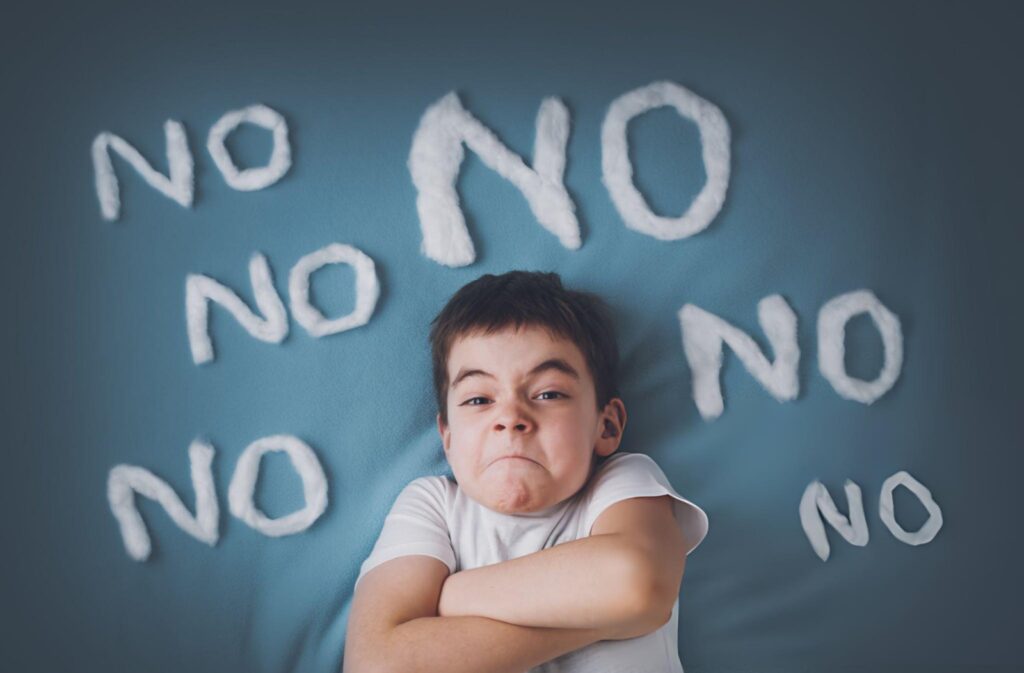
In today’s fast-paced world, children are susceptible to stress and anxiety. While many people associate these issues with adults, young children can also suffer from emotional distress, which has an impact on their overall well-being. Recognizing early signs of anxiety and stress in children allows parents and caregivers to provide appropriate support and intervention.
Common Signs of Anxiety and Stress in Children
Children often express anxiety and stress differently than adults, so it is critical for parents to monitor behavioral and emotional changes. Some common signs are:
Behavior Changes: Irritability, mood swings, or excessive crying may indicate emotional distress.
Sleep Issues: Anxiety can be associated with difficulty falling asleep, frequent nightmares, or waking up several times during the night.
Physical Symptoms: Complaints of headaches, stomachaches, or general malaise without a medical explanation may be stress-related.
A child may avoid certain activities, places, or social interactions due to excessive anxiety.
Difficulty Concentrating: Inability to focus on schoolwork or tasks may indicate underlying stress.
Regression: Some children may exhibit behaviors such as bedwetting, thumb-sucking, or excessive clinging to their parents.
Causes of Anxiety and Stress in Young Children
Various factors can contribute to stress and anxiety in children, including like Separation Anxiety, Academic Pressure, Family issues, Social Challenges, Major Life Changes such asThe birth of a sibling, illness, or the death of a loved one can all cause stress in children.
How Parents Can Help
Supporting a child’s mental health involves creating a safe and nurturing environment. Encouraging open communication allows children to express their feelings and reassures them that their emotions are valid. Maintaining a structured daily routine provides stability and reduces anxiety. Promoting relaxation techniques such as deep breathing, storytelling, and mindfulness activities can help children manage stress effectively. Limiting screen time is also essential, as excessive exposure to screens and social media may contribute to stress. If anxiety and stress persist or interfere with daily life, consulting a pediatrician or child therapist can be beneficial in providing the necessary support and guidance.